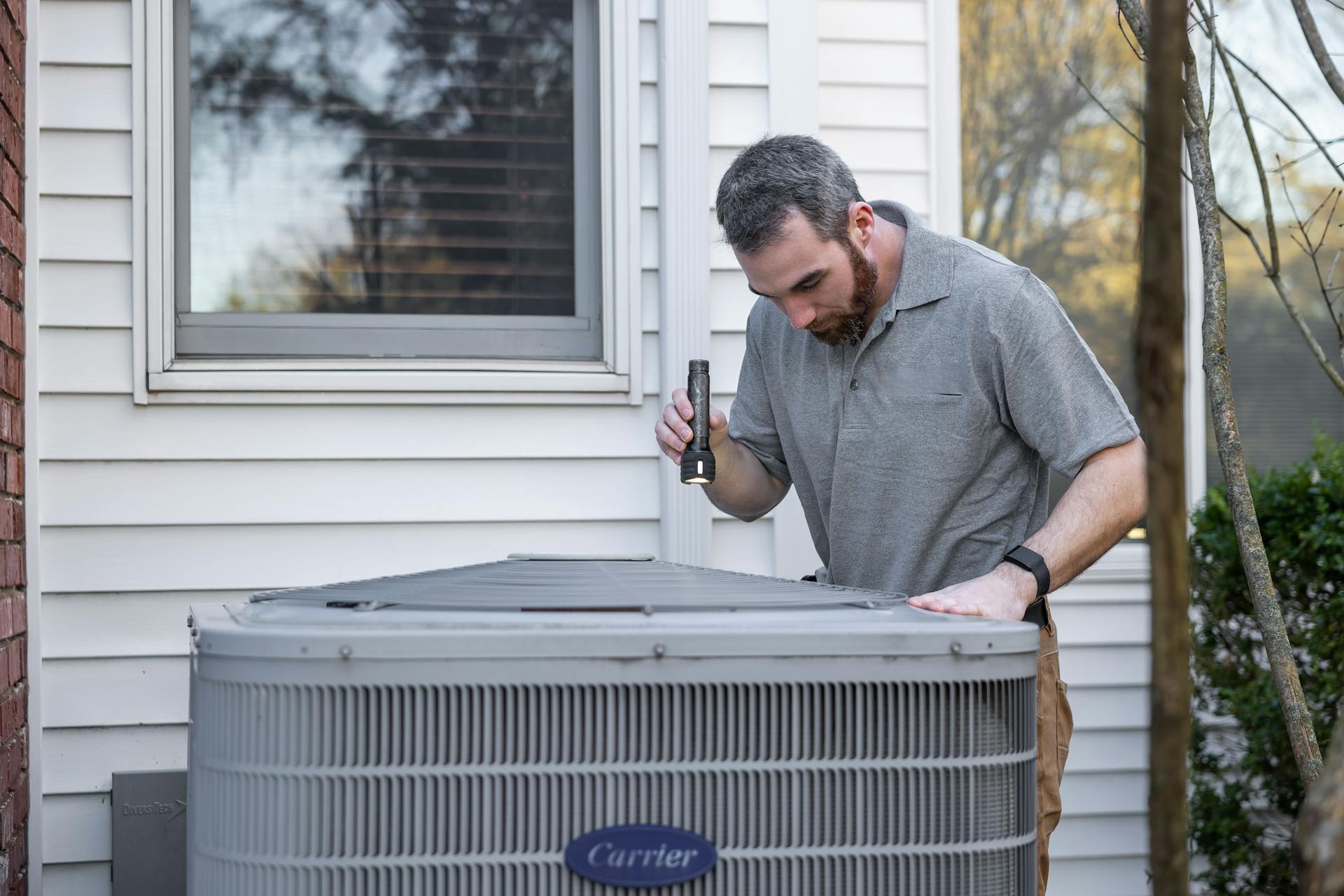
Keeping an air conditioning system in top condition requires regular maintenance, yet many homeowners are unsure how often servicing should be scheduled. Routine checkups help identify minor issues before they become costly repairs while ensuring the system runs efficiently throughout the year. Midlothian Mechanical’s air conditioning services give homeowners access to professional inspections, cleaning, and performance evaluations tailored to their system’s needs. Factors such as usage patterns, climate, and system age all influence how frequently servicing is required. This article explores recommended servicing intervals and why consistent maintenance is essential for long-term comfort and efficiency.
Factors That Influence Servicing Frequency
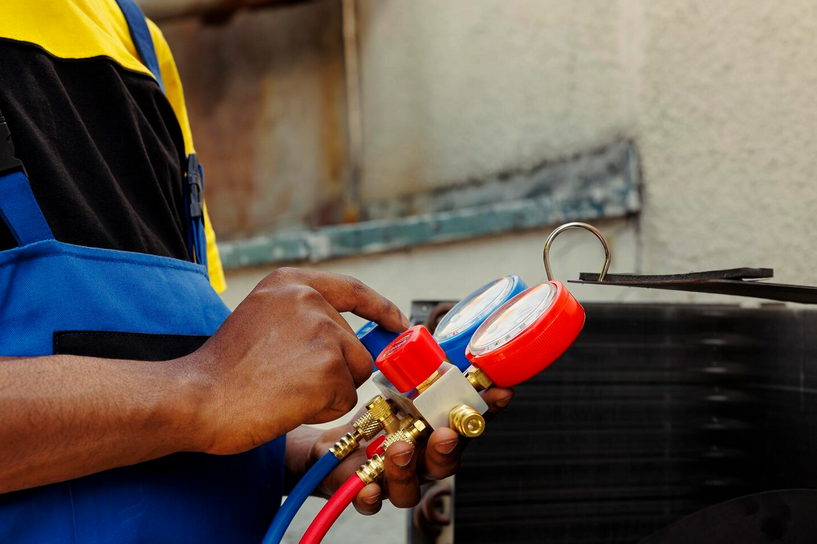
The frequency of air conditioning servicing depends on several factors, including how the system is used and the environment in which it operates. Systems that run for extended periods, especially in warmer climates, experience more wear compared to those used occasionally. Environmental conditions such as dust levels, humidity, and air quality can also impact how quickly components become affected. Homes located in areas with higher airborne particles may require more frequent attention due to faster buildup within the system. These variables influence how often servicing becomes necessary, as they determine the rate at which performance may begin to decline.
Seasonal Considerations and System Demand
Air conditioning systems often experience peak usage during warmer months, which places additional strain on their components. These seasonal patterns typically influence servicing schedules, as increased demand can accelerate wear and reduce efficiency. Preparing a system before periods of high usage ensures it operates at optimal conditions when needed most. Seasonal transitions also highlight how systems shift between active and inactive phases, which can affect internal components over time. Recognizing these patterns provides insight into how servicing intervals align with usage cycles and environmental demands.
The Relationship Between Maintenance and System Efficiency
Regular servicing plays a direct role in maintaining energy efficiency within an air conditioning system. As components accumulate dust or experience minor wear, the system may require more energy to achieve the same level of cooling. Servicing helps restore efficiency by ensuring that all parts operate smoothly and without unnecessary strain. This relationship between maintenance and performance reflects how small changes within the system can influence overall energy consumption. By addressing these changes through routine servicing, the system remains closer to its intended operating condition, reducing inefficiencies that develop over time.
Long-Term Impact on System Lifespan and Reliability
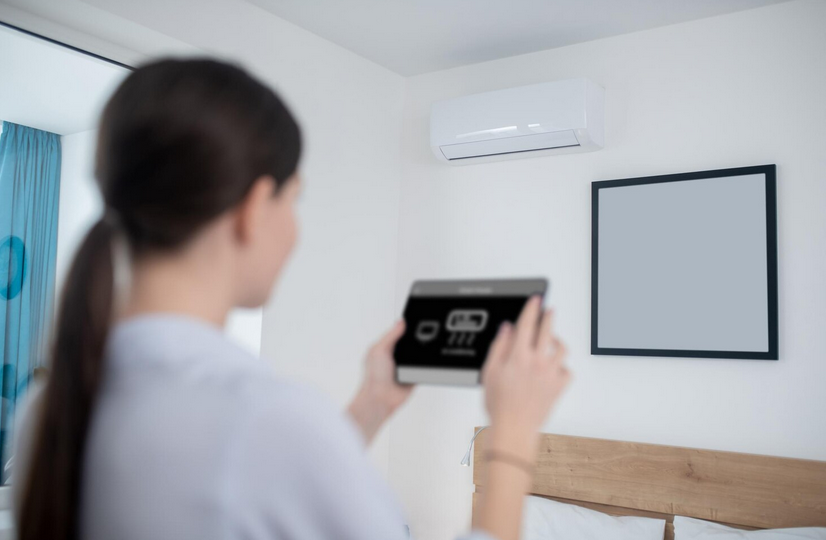
The condition of an air conditioning system over its lifespan is closely linked to how consistently it is maintained. Regular servicing helps stabilize components by reducing the likelihood of unexpected failures. Over time, systems that receive consistent attention tend to operate more reliably and maintain their performance for longer. This long-term perspective highlights that servicing is not only about immediate functionality but also about preserving the system’s overall condition. Understanding this connection helps explain why servicing intervals are structured to support both short-term efficiency and long-term reliability.
The frequency of air conditioning servicing is shaped by factors such as usage patterns, environmental conditions, and seasonal demand. Regular servicing supports system efficiency, maintains consistent performance, and contributes to long-term reliability. Understanding how these elements interact makes it clear why scheduled maintenance is essential for air conditioning system care. This structured approach ensures that systems continue to function effectively while adapting to the conditions in which they operate.…