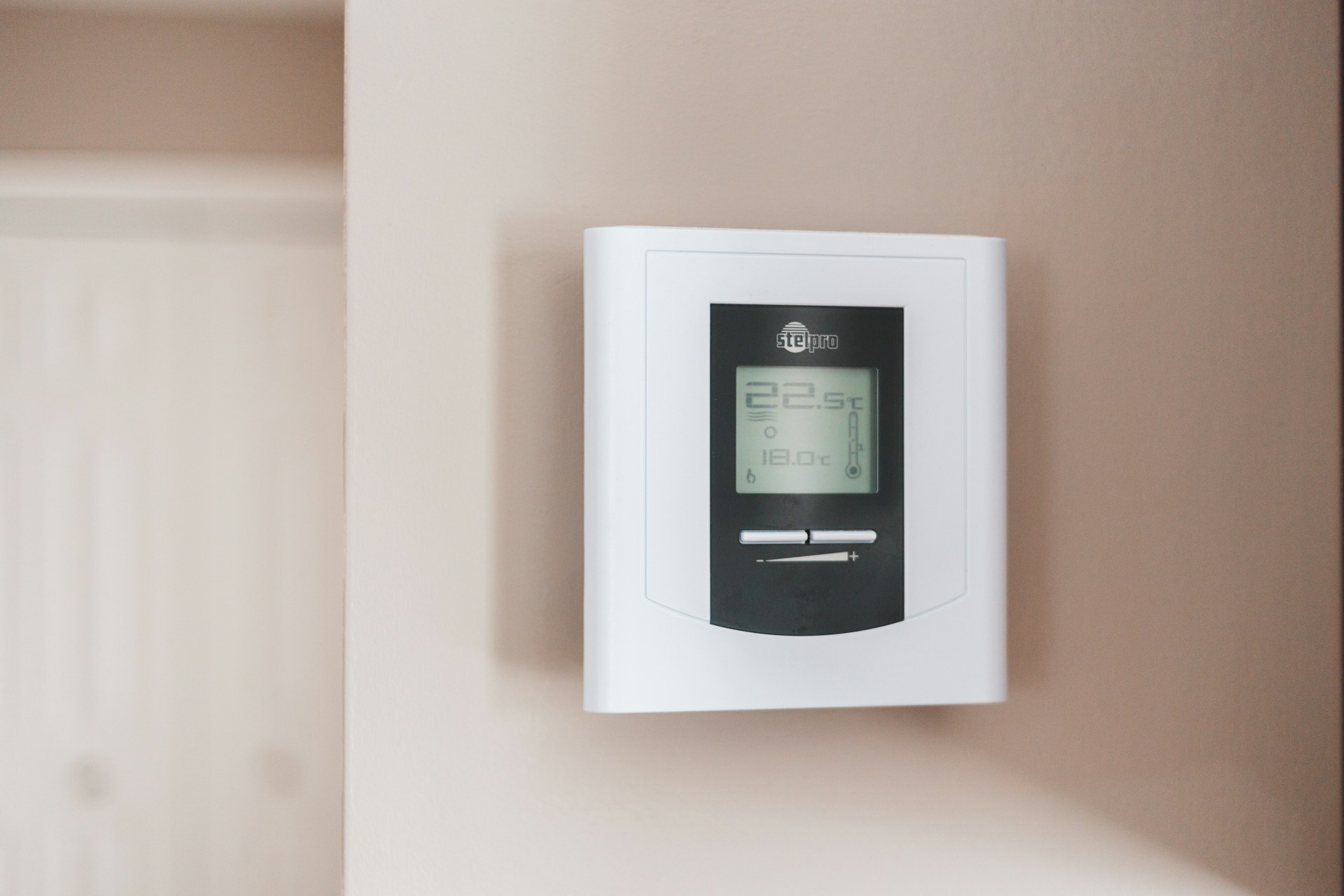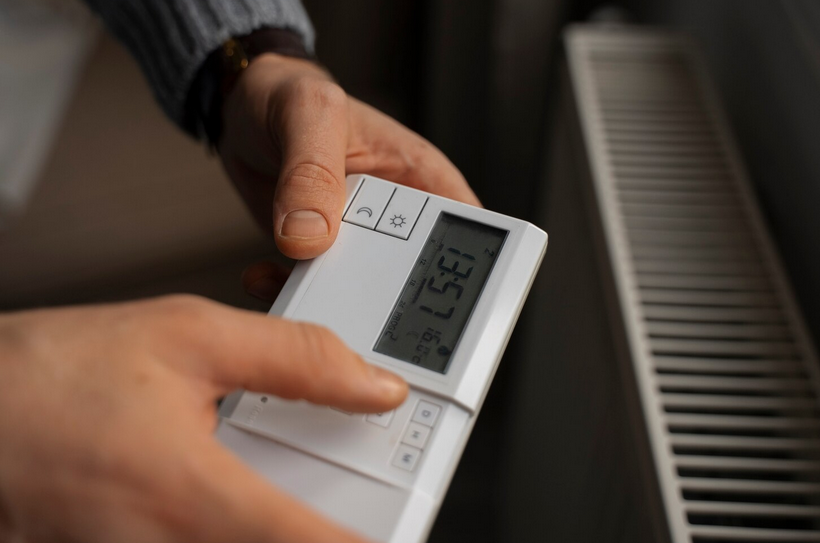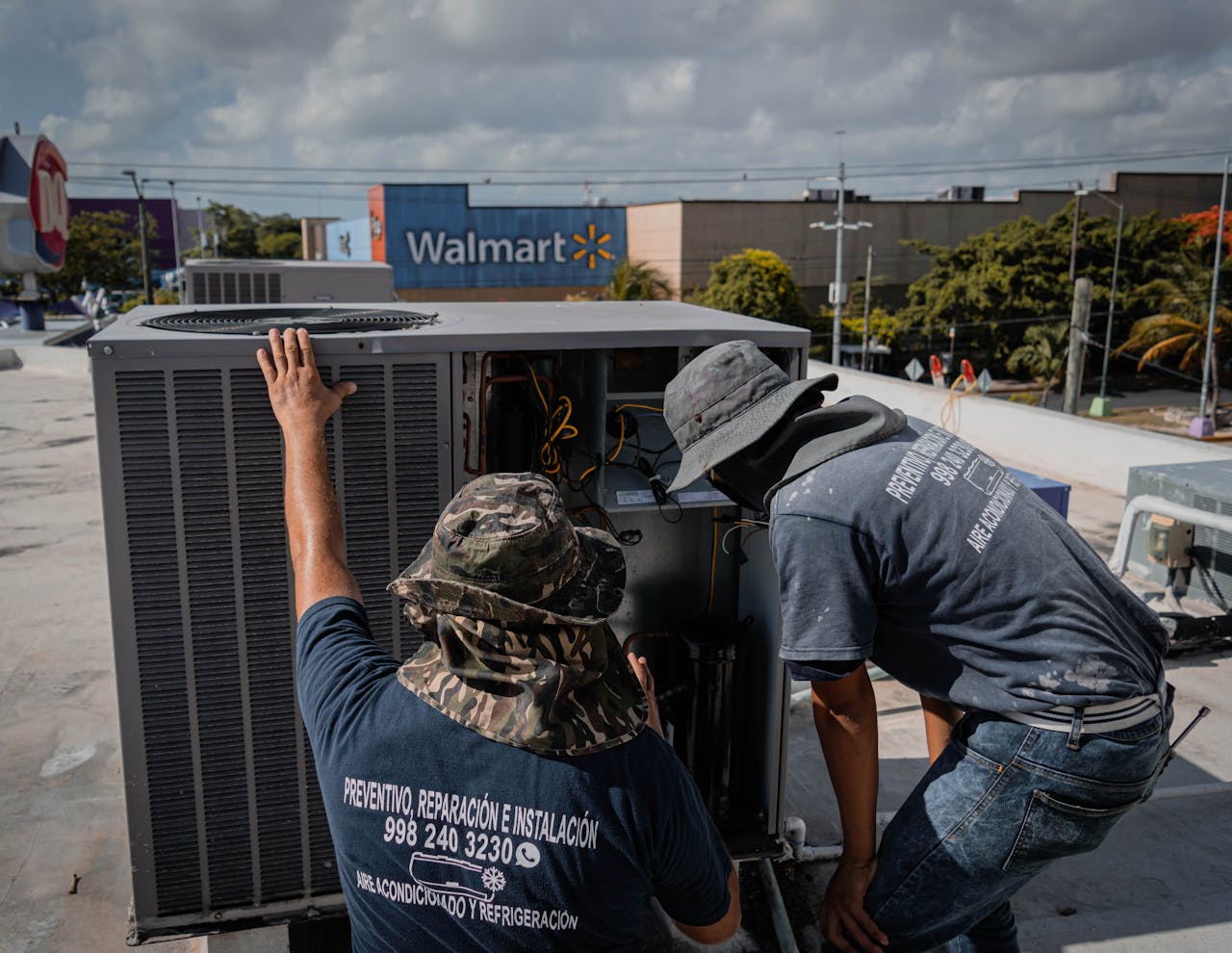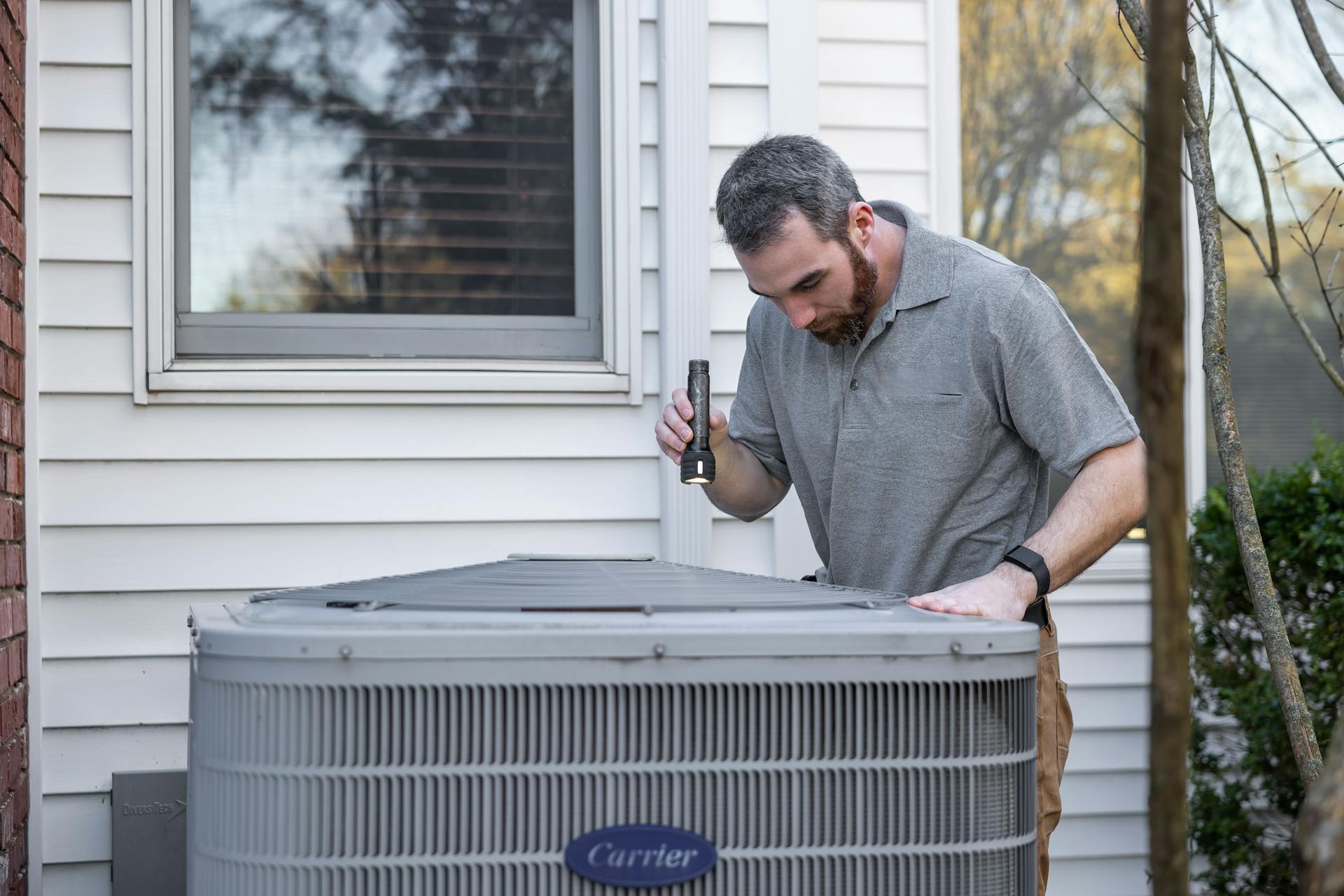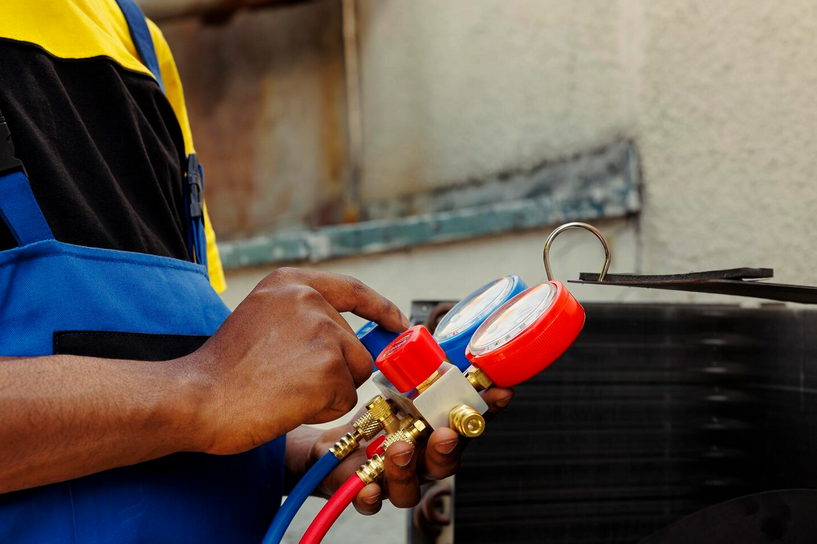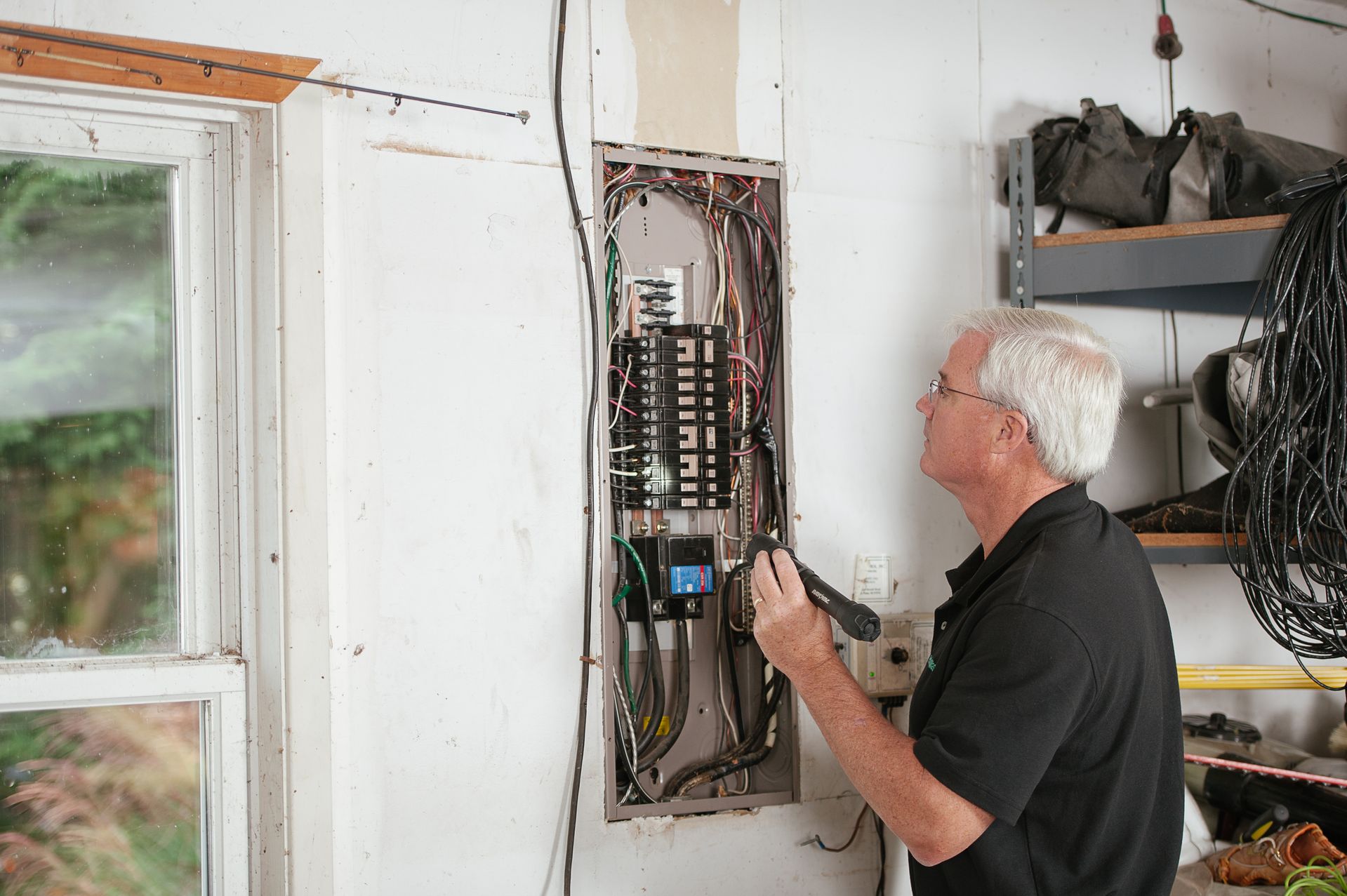
Most homeowners do not think about their heating, cooling, plumbing, or electrical systems until something suddenly stops working, often leading to costly repairs and unnecessary stress. These essential systems quietly support everyday comfort and safety, making regular maintenance one of the smartest investments a homeowner can make. TexAire HVAC Services highlight the growing importance of preventative care by helping homeowners keep critical equipment running efficiently and avoid unexpected breakdowns. Protecting the systems behind the walls and ceilings of a home is not just about preventing inconvenience; it is about preserving the value, functionality, and long-term reliability of one of life’s biggest investments.
Preventing Unexpected Disruptions and Damage
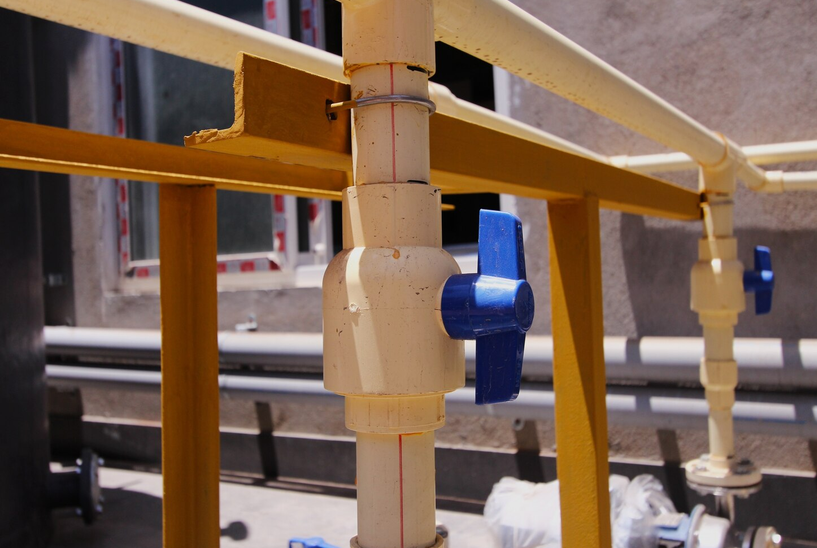
Essential systems often operate continuously, making them subject to wear and gradual deterioration over time. Plumbing pipes can develop leaks, electrical systems may experience faults, and heating or cooling equipment can lose efficiency as components age. Small problems that go unnoticed may eventually develop into larger issues that affect multiple areas of the home. For example, a hidden water leak can damage walls and flooring, while electrical problems can create safety concerns and interrupt daily activities. Protecting these systems helps reduce the likelihood of unexpected disruptions and limits the risk of more extensive damage.
Supporting Safety and Household Well-Being
Many of a home’s essential systems are directly connected to the safety of the people living inside. Electrical systems must function correctly to reduce the risk of fires, while plumbing and ventilation systems contribute to healthy living conditions. Heating and cooling systems also play an important role in maintaining indoor comfort and protecting residents during periods of extreme weather. When these systems are properly maintained and protected, they create a more secure and stable living environment. Ensuring that essential systems remain in good condition supports both physical safety and overall household well-being.
Protecting Long-Term Property Value
The condition of a home’s major systems significantly influences its long-term value. Buyers and property professionals often pay close attention to the condition of electrical, plumbing, and mechanical systems because repairs or replacements can be costly. Homes with well-maintained systems are generally viewed as more reliable and may attract greater interest in the property market. On the other hand, neglected systems can reduce appeal and lead to lower property valuations. Protecting these essential components helps preserve the home’s integrity and contributes to its long-term financial stability.
Improving Efficiency and Resource Management
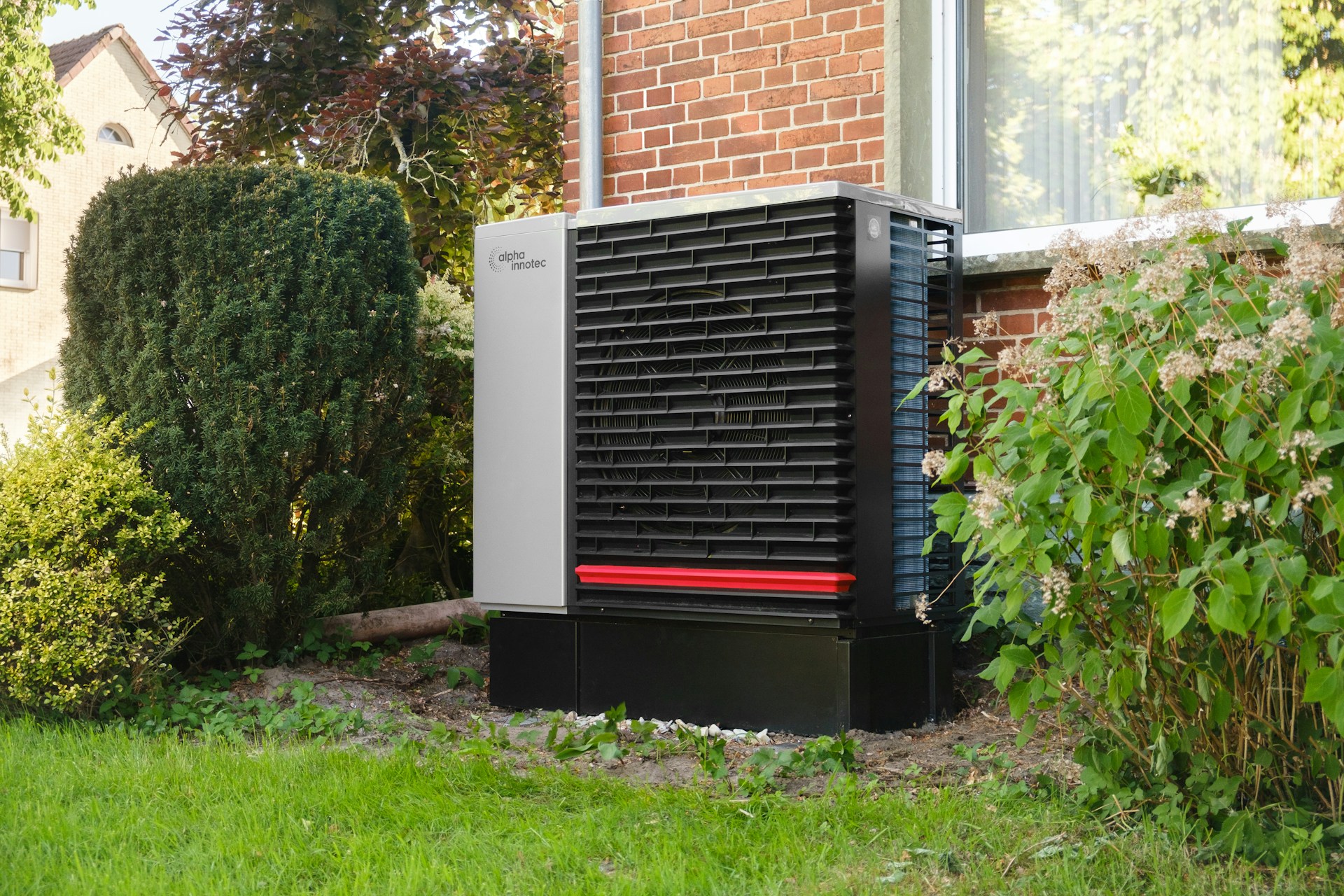
Well-maintained systems often operate more efficiently than neglected ones. Efficient plumbing reduces water waste, and properly functioning heating and cooling systems can help manage energy consumption more effectively. Electrical systems that are in good condition also support the safe and reliable operation of household appliances and devices. Protecting essential systems allows a home to function more smoothly and can contribute to better resource management over time. This efficiency benefits both the household and the broader environment by reducing unnecessary waste and improving overall performance.
Preparing for the Future Needs of the Home
Homes evolve as families grow, technology changes, and living requirements shift. Essential systems need to remain dependable and adaptable to support these changes. Protecting these systems today can help ensure that they continue to meet future demands and reduce the likelihood of major disruptions later. A proactive approach to maintaining important home systems creates a stronger foundation for long-term comfort and functionality. It also helps homeowners feel more confident that their property can continue supporting their needs as circumstances change.
Protecting a home’s most essential systems is an important part of maintaining safety, comfort, and long-term property value. Electrical, plumbing, heating, and other critical systems support nearly every aspect of daily living and can create significant challenges when they fail. By preserving these systems and ensuring they remain reliable, homeowners can reduce the risk of unexpected disruptions and improve the overall efficiency of their property. A well-protected home is better prepared to meet both current and future needs, making system care an essential aspect of responsible homeownership.…