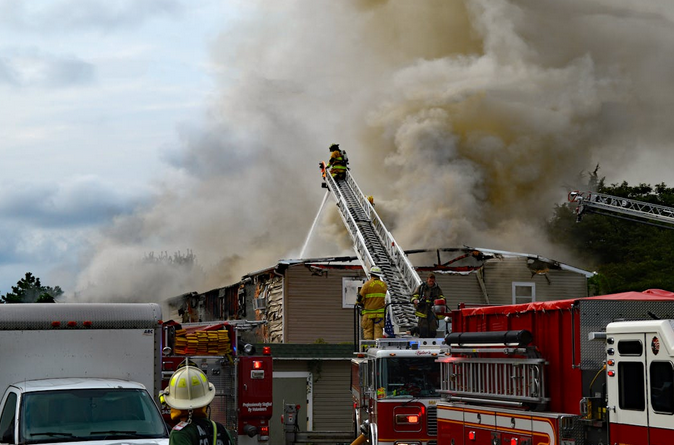
Selling a home after a fire isn’t as simple as sticking a “For Sale” sign in the yard. The process requires preparation, honesty, and a little strategy. Fast cash for fire damaged homes is, of course, what many homeowners want. Selling your home as-is, even if it’s been on fire a day ago, can be a good move. But even then, there are steps worth taking before closing the deal.
Secure the Property and Focus on Safety
Before thinking about buyers, make sure the property is safe. Fires can weaken floors, walls, and roofs in ways that aren’t obvious. Having professionals check structural stability is essential for your own protection and for anyone touring the home. Boarding up broken windows or doors prevents vandalism and keeps curious passersby away. It also signals responsibility to future buyers. A property that looks cared for, even in its damaged state, creates a better first impression. Small measures like clearing debris or putting up warning signs can also help avoid accidents. Safety isn’t optional; it’s the foundation for every step that follows.
Gather Important Documents Early
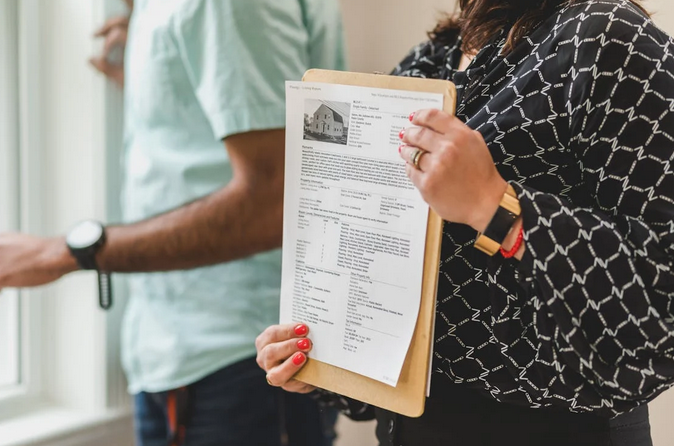
Buyers expect clarity, and that means paperwork in order. Insurance reports, fire department records, and any repair estimates should be collected right away. These documents answer many of the questions buyers will ask later. Being upfront with records shows transparency. Investors especially appreciate having numbers and reports at their fingertips. It saves time during negotiations and reduces the chance of deal-killing surprises. The more prepared you are on paper, the more seriously buyers will take your property.
Decide on Repairs or Selling As-Is
Repairs can raise the price, but they also cost money, time, and energy. Many families realize the emotional and financial toll isn’t worth it. Selling as-is puts the responsibility in the buyer’s hands. Investors expect damaged conditions and factor repairs into their offers. For homeowners ready to move on, this path can be the most realistic. The decision comes down to balancing potential profit against stress and upfront costs. Every seller has a different tipping point, but clarity here prevents wasted effort.
Work With the Right Professionals

A real estate agent with experience in distressed properties can be invaluable. They know how to market a fire-damaged home and connect with buyers who actually make offers. Not every agent understands this niche, so choosing wisely matters. Attorneys and insurance adjusters may also play a role. They help explain liabilities and confirm details that buyers will eventually want to know. Having them on your side gives you confidence during the process. Surrounding yourself with the right support team makes a heavy task feel lighter. Selling a damaged home is already tough. So, you should never carry it alone.
Set a Realistic Price
Pricing too high chases buyers away. Pricing too low leaves money on the table. Finding the sweet spot is part art, part math. Agents typically use comparable properties, adjusted for damage, to set fair expectations. Investors may still push for discounts, but a clear baseline keeps conversations grounded.
Before selling a fire-damaged home, preparation is key. Safety, documents, pricing, and deciding between repairs or selling as-is all play a role. With the right steps, even a house touched by fire can still lead to a smooth sale and a fresh start.…